Vitance

VITANCE LEARN

Precision Nutrition Is a Decision System, Not a Larger Supplement Stack

A practical framework for choosing, tracking and stopping supplements using goals, dietary gaps, safety constraints and measurable outcomes.

Last reviewed2026-09-09Vitance Editorial Team
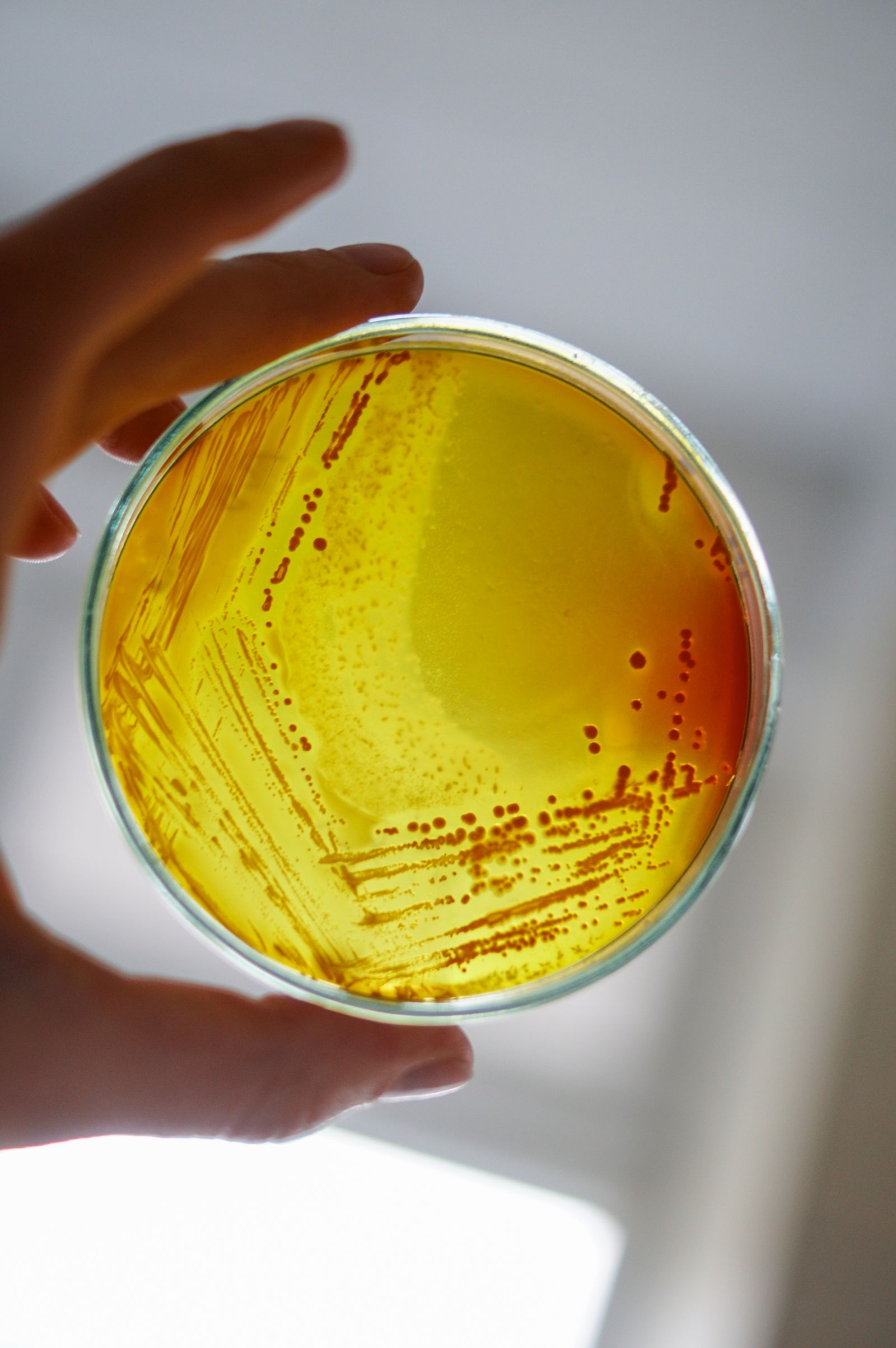
研究人员在实验室整理与分析样本
图片:National Cancer Institute · Unsplash

Precision nutrition is often misunderstood as "an algorithm picking more products for you." True precision is actually about reducing uncertainty: why something is needed, what the basis is, how to determine its value, and when to stop. Without these, personalization is just swapping popular ingredients for a longer list.

Start with Problems, Not Products

The first step is not browsing ingredients, but defining goals as verifiable statements. "Wanting to be healthier" cannot guide choices; "Reducing afternoon fatigue frequency from five times to twice a week over the next eight weeks, after ruling out sleep deprivation and irregular eating" is an actionable goal.

After defining the goal, establish a baseline: track sleep, diet, symptoms, activity, and current supplements for one to two weeks. Many issues perceived as supplement needs are actually linked to insufficient sleep, skipped meals, dehydration, or workload changes. The point of a baseline is not perfection, but to avoid misinterpreting natural fluctuations as product effects.

Use a Four-Tier Filter Instead of "Recommended for You"

TierQuestion to AnswerAction if Fail
GoalWhich specific goal does this ingredient address?Do not add
GapDoes diet, lab work, or life stage suggest a need?Improve diet or gather data
SafetyDoes it conflict with meds, diseases, pregnancy, or allergies?Consult a professional
ReviewWhat to measure in 8–12 weeks?Do not use long-term

These four tiers actively filter out products that are "irrelevant but sound good." Precision isn't about everyone getting different answers; it's about every answer explaining why it fits this individual, at this moment, and at this dosage.

Change Only One Key Variable at a Time

Starting five supplements simultaneously makes it impossible to attribute effects or adverse reactions. A safer approach is to maintain essentials, add only one variable at a time, and log the start date, dosage, timing, and changes. If multiple nutrients are needed, phase the plan rather than adding them all on day one.

Subjective feelings can be recorded but shouldn't be the sole indicator. Quantifiable goals include symptom frequency, sleep duration, bowel regularity, training consistency, or medically ordered labs. If there is no improvement, side effects emerge, or the original reason for use vanishes, review or discontinue.

Evidence Is Not a Binary Switch

When evaluating evidence, examine if the study subjects, ingredient form, dosage, and outcomes align with your current issue. Cell or animal studies explain mechanisms but cannot predict individual results; observational studies find correlations but rarely prove causation; randomized controlled trials are closer to intervention but may still hold uncertainties due to small samples, short durations, or conflicting results.

This means "there is research" is not a sufficient answer. A verifiable record should state: how much and for how long a certain form changed a specific metric in a certain population, rather than just saving a screenshot. If the product's form, dosage, or goal differs from the research, the conclusion must be downgraded.

Treat Personal Trials as Low-Risk Observations

Personal experience cannot replace clinical research, but it helps determine if a choice is worth continuing. Log a baseline beforehand and define observation periods and stopping conditions. Do not drastically change diet, sleep, or multiple products simultaneously during the trial. Finally, break down "feeling good" into specific changes, considering natural fluctuations and the placebo effect.

If the goal involves lab results, medical conditions, medications, or high dosages, independent self-trialing is inappropriate. In such cases, the most precise action is not collecting another product, but taking a comprehensive list to a professional for review.

Precision Also Means Respecting Boundaries

Nutritional assessment cannot replace medical diagnosis. Persistent fatigue, significant weight changes, recurrent abdominal pain, bleeding, chest pain, or severe sleep problems should not be packaged as a "deficiency." AI can organize data, identify redundant ingredients, and generate follow-up questions, but it cannot rule out disease based on a questionnaire.

A mature precision nutrition system should ultimately make your regimen shorter, clearer, and easier to follow. Precision at Vitance is not about handing choices to a black box, but ensuring every choice has evidence, boundaries, and a review date.

Frequently asked questions

精准营养一定需要做化验吗?

不一定。饮食结构、生活阶段和明确目标也能支持部分决策;但怀疑缺乏、需要高剂量或症状持续时,应由医护判断是否化验。

为什么建议一次只增加一种补充剂?

这样更容易判断效果、不耐受和重复摄入,也便于在没有价值时及时停止。

Sources

Recommended reading

使用者正在查看补充剂瓶身标签与产品资料
3 min readDecoding Supplement Labels: Dosage, Claims, Excipients, and Quality IndicatorsRead article
海水中生长的海带与海藻
3 min readWhere Algae Oil Fits: DHA, EPA and Source ChoiceRead article
自然生长的南非醉茄植物叶片
3 min readAshwagandha Evidence and Boundaries: Stress, Sleep and SafetyRead article