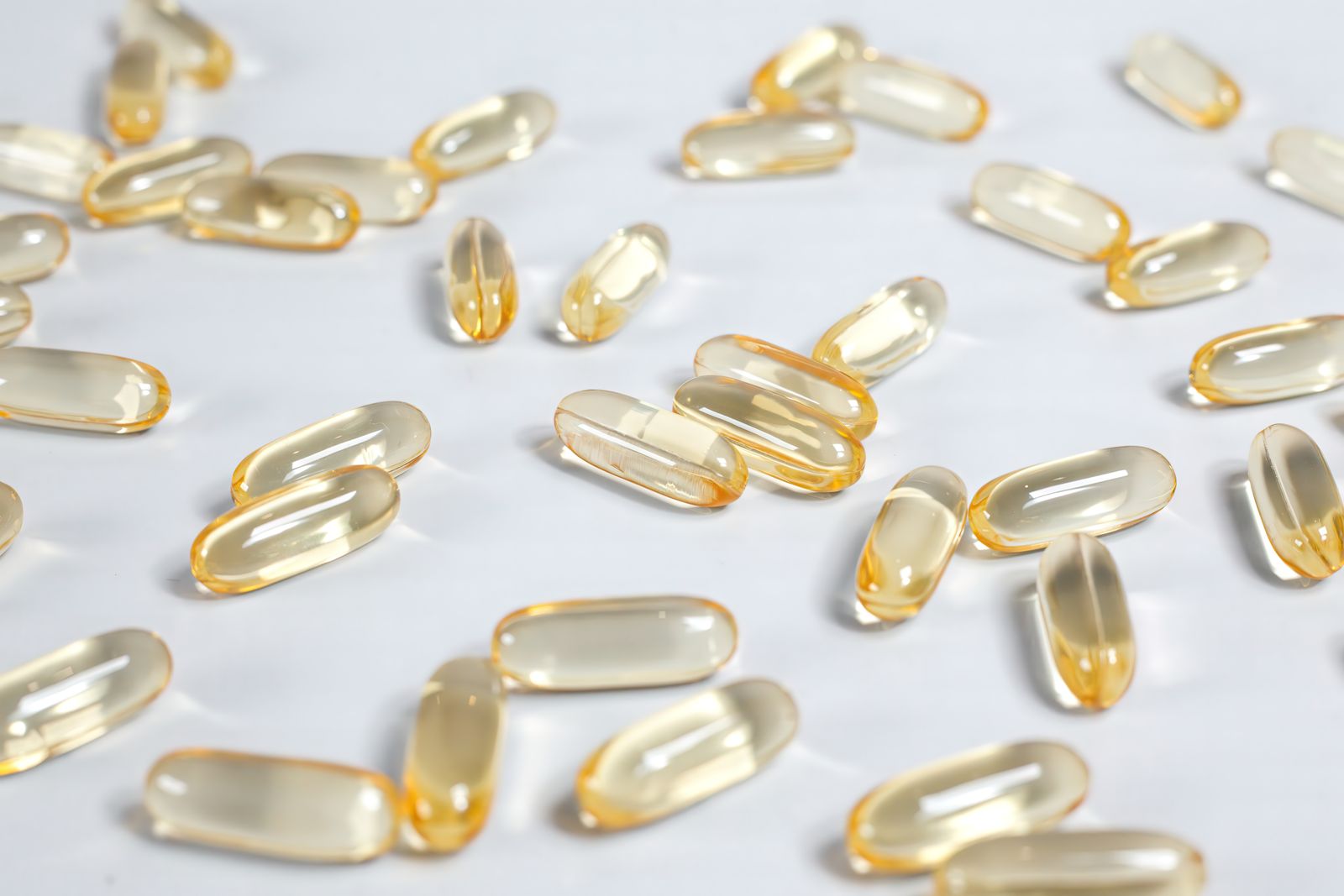
CoQ10 is naturally present in the body and involved in mitochondrial energy processes. This fact is often simplified into "taking it will give you more energy." However, biological function and the clinical effects of oral supplementation are two different levels of evidence: needing a substance does not mean that taking more will automatically improve fatigue or performance for everyone.
Distinguish Mechanisms from Clinical Outcomes
Mechanistic studies explain "how it might work," while clinical studies answer "whether it produces meaningful results in specific populations, dosages, and timeframes." When you see "involved in ATP production," always ask: who were the subjects, what was compared, what was the magnitude of improvement, and is it reproducible?
Fatigue is not synonymous with CoQ10 deficiency. Sleep deprivation, anemia, thyroid issues, infections, mood, overtraining, and medications can all cause similar feelings. Persistent fatigue should be evaluated for its underlying cause.
Not All Products Are the Same
Common forms include ubiquinone and the reduced form, ubiquinol. Absorption can be affected by formulation and food, but you cannot assume the "reduced" form is more effective for everyone. When comparing, look at the dosage per serving, excipients, usage instructions, stability, and the specific form used in research.
CoQ10 is fat-soluble; many products recommend taking it with a meal. Always follow label instructions and consider interactions with other supplements or medications.
Apply Research to the Appropriate Population
CoQ10 has been studied for cardiovascular health, migraines, statin-associated muscle symptoms, and athletic performance, but evidence varies by condition. Do not extrapolate the results of a small study into a generic guarantee for "fighting fatigue."
If advised by a healthcare professional for a specific condition, track your goals, dosage, and review timelines. If you are trying it yourself, monitor it for a limited time rather than using it long-term simply because of its "antioxidant" label.
Three Common Uses Require Three Distinct Answers
For statin-associated muscle symptoms, results are inconsistent; if muscle pain occurs, first confirm symptoms, medication dosage, and other causes rather than stopping cholesterol medication on your own. For migraines, some guidelines list CoQ10 as a possible preventive option, but it is not an acute treatment and requires weeks to months to assess. For heart failure, existing studies do not mean it can replace standard treatment; any additions should be managed by your cardiology team.
This nuance is critical: a signal in one field cannot be transferred to another. Before purchasing, confirm which specific problem you are trying to address and whether the cited evidence actually applies to it.
Dosage Form: Look at Exposure, Not Stories
Ubiquinol is the reduced form and ubiquinone is the oxidized form; the body can convert between them. Absorption is influenced by oil-based formulations, particle size, meal context, and individual variation. A formulation that raises blood levels does not automatically prove better clinical outcomes.
Rather than focusing solely on the word "ubiquinol," look at the dosage per serving, the preparation used in studies, price, stability, and the actual daily cost. An expensive form that cannot be taken consistently may not be the better choice.
Interactions and Safety Boundaries
CoQ10 is generally well-tolerated but may cause gastrointestinal discomfort or insomnia. It may interact with medications like warfarin. If you are undergoing cancer treatment, taking multiple medications, are pregnant or breastfeeding, or preparing for surgery, consult a professional first.
The key to reading CoQ10 research is not to confuse "what the body needs" with "what everyone should supplement." Define your problem first, then determine if the evidence is relevant to you.